
I sheepishly paid a BLM campground fee for $3 with a check and self critically remembered the scene from Big Lebowski when “the Dude” buys cream in his bathrobe with a check.
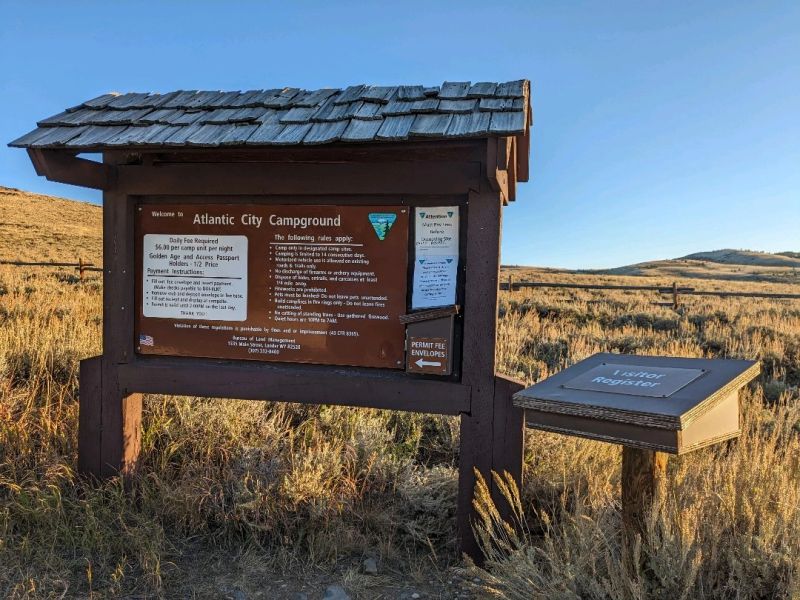
It’s easy to imagine the labor cost of cashing such a low value check exceeds the nightly fee (including the Golden Eagle passholder 50% discount down from $6 to $3).
It made me remember the low hiker/biker fees we paid biking down the California coast years ago and the frequency we would wind up camping with locals who had not better housing alternative than that state park camp sites. Setting the fees quite low provided no market segmentation between the local homeless population and the bike tourists.
Gas stations now sometimes provide a slightly better price for those paying in cash to avoid credit card processing fees, but the local cheesestake spot doesn’t accept cash at all for the safety of their employees after a robbery.
Many businesses with monthly reoccurring payments have started to offer discounts for those who accept online only invoices and pay directly from their checking accounts.
For high volume, low transaction value businesses it makes sense to steer customers towards lower cost to serve purchase behaviors using pricing incentives.
As interest rates rise and the opportunity cost of capital keeps increasing, I expect analysis of customer payment terms as a value hypothesis amoung B2B companies to come back into vogue.
Typically, corp finance teams and customer credit groups within large manufacturers and distributors are not closely aligned with product marketing and sales teams, but with CDs available at > 5% APY companies may again scrutinize how much cash they want to lend their customers in the form of days to pay outstanding invoices.
Regardless of business structure, minimizing the administrative burden of payment processing and making the process by which your customers pay you as easy as possible makes good business sense.
 Carragee Consulting
Leave a comment