
Pricing lessons from being a landlord
I had a fridge delivered at one of my duplexes today. The fee to have it unboxed and set in place was $13 and it was $40 to haul away the old one.
The guys who “installed it” massively struggled to get it into position. They had to take off the doors and move the stove (not sure if they disconnected the gas and had to reconnect or not — update it’s electric, so not a big deal).
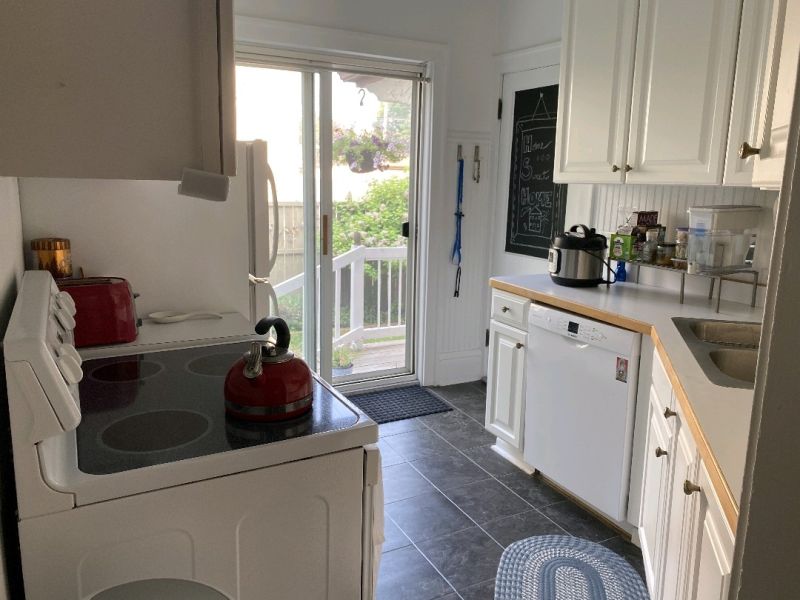
I had not anticipated that they would have such a hard time because my tenant had measured the old appliances and I was careful to order something that would fit in its place. It’s a ground floor unit with a patio door to the kitchen and also a standard size front door. The fridge didn’t have a water hookup, just an electrical cord.
As with seemingly most home upgrades this appliance delivery experienced scope creep and was probably hugely unprofitable and frustrating for the delivery team.
With DIY projects I plan for 3 trips to the hardware store: once to buy what I think I need, another trip to buy what I need when something breaks or doesn’t fit and the last time mainly just to ask for advice and buy chocolate.
Especially with old houses, nothing goes to plan. You can watch This Old House” and be “YouTube certified”, but thinking in 3d space and carrying heavy things is awkward and challenging even on the good days.
Knowing the complexity and variety of challenges the delivery/install team faces across their jobs can help the corporate/pricing team segment the fee structure to get paid fairly for their efforts and turn down jobs that don’t meet the expertise, tools and time availability of the installers.
Its easier said than done to do Activity Based Costing and time studies of tasks, but with RFID tags, GPS, accelerometers on smart phones and other technology plus ML to process this data it’s becoming possible.
As companies realize a big portion of their work is a drain on their profits they will need to make good managerial decisions about how to adapt their pricing and business models.
Customers are very unlikely to realize (much less show gratitude) if you’ve priced services below the cost to serve them. It’s hard enough as a business to know the true marginal cost and you have staff spending their careers trying to measure them. It’s not surprising that customers dramatically underestimate the skill required and costs your business faces internally.
Rereading “Negotiating With Backbone” last week was a great reminder of “the Winners curse” and the need to do your homework about the value you truly deliver before you negotiate, discount or price anything.
Terms and conditions can be huge cost drivers — like hauling appliances up multiple flights of stairs — and can be negotiated and priced in to either steer customer behavior, fence offerings to the right buyers or deny service when there’s no profitable (mutually agreeable) exchange to be had.
 Carragee Consulting
Leave a comment