
Prioritization problems
When I was in high school I used to walk to the movie rental store, Blockbuster with my friends. We’d walk around the perimeter of the store and look for something new to watch.
Back then there were mostly VHS and they charged extreme overdue fees.
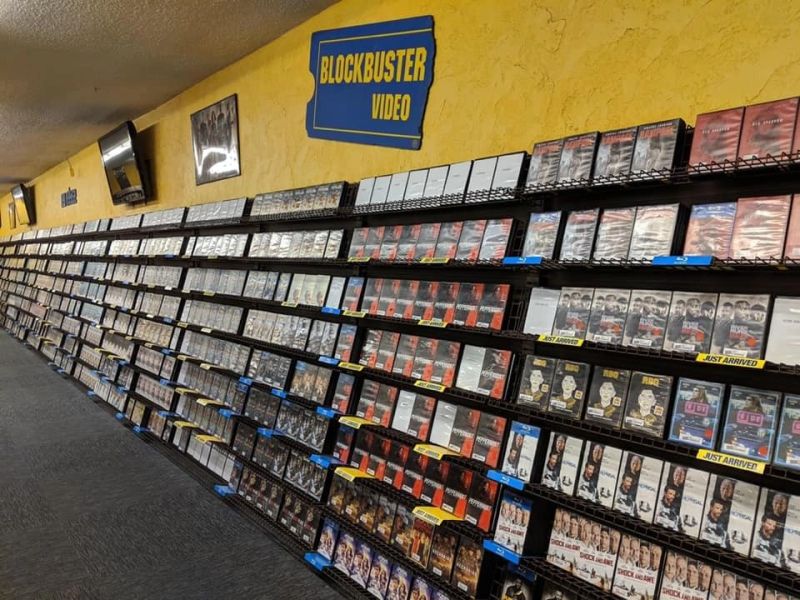
There were days when you’d walk in and do a lap and nothing at all looked appealing. You’d seen all the new releases worth watching and it was too far to walk to the funky independent rental place the TLA where they had older movies organized by director or lead actor.
There are still occasional days when I think I’ve reached the end of the internet, but hardly ever.
The feeling of occasional boredom has been replaced by an endless list of newsletters, podcasts, books and tutorials.
This morning I got my weekly AI with Armand newsletter in which he provided a list of sources he uses to stay informed about academics research, industry applications and learning opportunities in AI.
It is literally this guys full-time job at IBM to stay on top of what’s going on in this field and help advise and launch small businesses. He’s also the father of young kids and lives an ocean away from his family and childhood friends.
Time is limited and information and resources are so much more available than at any other point in history. We are faced with Qual der Wahl, a ranking and prioritization problem rather than a scarcity or boredom issue.
My childhood boredom was a problem rooted in lack of exposure and a failure of imagination. There’s always been more to do than time to do it. Surely Michelangelo and Benjamin Franklin had more they would have explored and developed given more time.
Watching all the new releases was good for forming social bonds based on recent culture events, but plenty of other people were progressing with music, doing their own writing and even research.
The only “creating” I did in my teens was knitting. I had friends with a diverse array of other hobbies and skills they dedicated time to developing, but I was hanging on by a tread in my classes and sports and I used my free time to vedge out as passively consume Blockbuster movies and cheesesteaks.
In the past few years I started to learn about ranking algorithms with their strengths and various pitfalls. Depending on what you’re trying to accomplish you have different optimization goals, like similarity search based on Cosine similarity or Levenshtein distance. The methods you pick necessarily depend on what you’re trying to accomplish.
I wasn’t aware of having any intrinsically defined goals when I was a teenager, so no wonder I didn’t have any strategy of time maximization.
“Stop hanging around in this air-conditioning town where your life is lived out hunched over your phone…
Quit wasting my time because pretty soon you’ll find it’s the only thing of value that we own” Dawes
 Carragee Consulting
Leave a comment