
Why are businesses not SERENE?
I think the British term for layoffs is particularly weird.
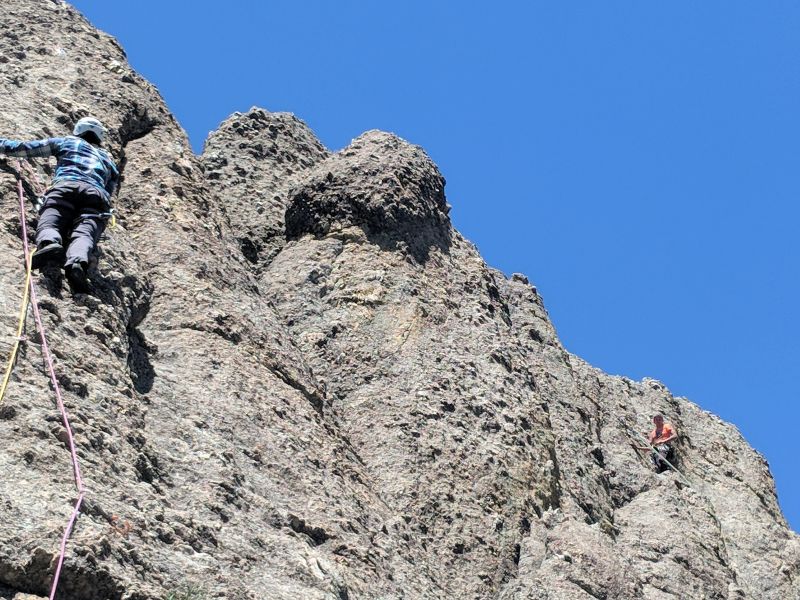
In climbing Redundancy is not only desirable, but can be lifesaving.
Free climbers and boulders don’t use ropes, anchors, cams, nuts, hexes, slings or the myriad other tools sport and trad climbers use to protect falls. As my friend Alan used to say, “there are old climbers and bold climbers, but no old bold climbers.”
Eventually your luck runs out — just ask Dean Potter or Ueli Steck.
When you build anchors for climbing you try to make sure they are:
Strong – not attached to a dead tree or loose rock
Equalized – balance of load in the direction of force between attachment point
Redundant – if any single point of failure occurs the other anchors are independently capable of handling the load
Efficient – taking too much time and equipment in any one steps causes other risk
No Extension – if any point were to fail the central anchor point won’t drop the climber additional distance
Translating these anchor design principles to work
Strong – highly capable individual contributors, with adequate tooling to do their job
Equalized – work is distributed so prevent burn-out and encourage development
Redundant – cross training occurs. there is a general awareness of what others do and vacations and personal lives can be maintained without crippling the system
Efficient – people and processes don’t negatively impact each other. time to value is reasonable, etc
No Extension – dependencies between tasks and people can never be entirely eliminated, but any good project plan will underscore the forcing functions in the timeline. at least know when it’s likely to happen.
 Carragee Consulting
Leave a comment